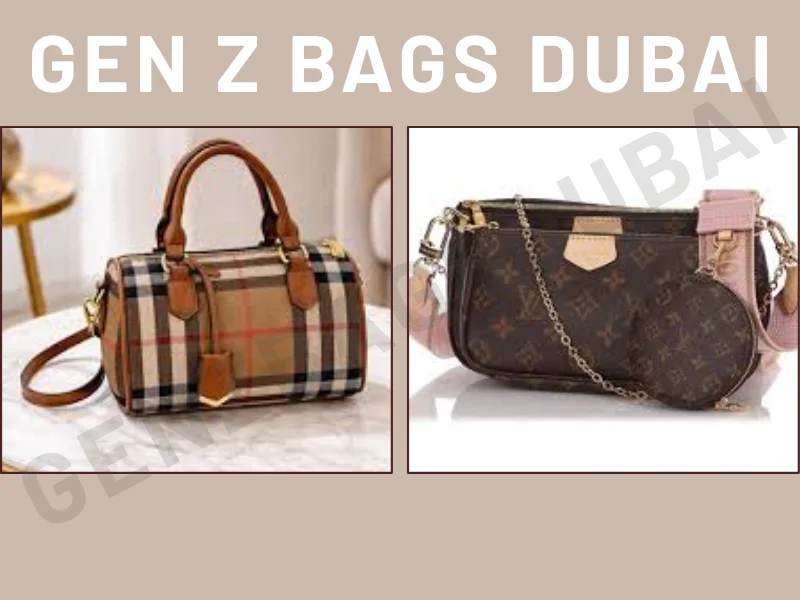
As a seasoned expert in luxury fashion and high-end investments, I’ve crafted this in-depth guide specifically for global luxury buyers who seek timeless pieces that blend style, status, craftsmanship, and smart financial potential. Whether you’re building a sophisticated wardrobe, adding to a collection of iconic accessories, or viewing luxury as a savvy asset class, the comparison between Louis Vuitton vs Burberry remains one of the most discussed topics in premium fashion circles.
This detailed analysis goes far beyond basic overviews. It draws on current market trends (as of early 2026), real resale data, heritage depth, sustainability progress, pricing realities, and lifestyle alignment. The goal? To help you make confident, informed choices that truly match your personal vision of elegance and value.
Why Louis Vuitton vs Burberry Matters in Today’s Luxury World
In the ever-evolving landscape of high-end fashion, two names consistently rise to the top for their heritage, quality, and desirability: Louis Vuitton (the French powerhouse of monogram mastery) VS Burberry (the British icon of refined outerwear and checks). Both deliver exceptional craftsmanship, but they speak to different tastes and priorities.
Louis Vuitton often represents bold French opulence, global prestige, and strong investment appeal. Burberry brings understated British sophistication, practical elegance, and a more approachable entry into luxury. For affluent buyers worldwide—whether in New York, Dubai, London, Shanghai, or beyond—the decision frequently boils down to questions like:
- Which brand offers better long-term value retention?
- Which pieces feel more exclusive and status-driven?
- Which aligns with a modern, sustainable luxury lifestyle?
Let’s dive deep into every key aspect so you can decide with clarity.
The Rich Heritage Behind Each House
Understanding a brand’s roots helps explain its enduring appeal.
Louis Vuitton was founded in 1854 in Paris by Louis Vuitton, a skilled trunk-maker who created innovative, flat-topped travel trunks for the elite. These pieces were lightweight yet durable, perfect for the emerging age of steamships and railways. His son Georges later introduced the famous LV monogram canvas in 1896 to combat counterfeiting—a design that remains one of the most recognizable symbols in fashion today.
Over the decades, Louis Vuitton evolved from travel goods into a full lifestyle brand, embracing ready-to-wear, shoes, jewelry, fragrances, and more. Its collaborations with artists (Takashi Murakami’s vibrant re-editions remain hugely sought-after) and emphasis on artisanal techniques keep it at the forefront of creativity.
Burberry, established in 1856 by Thomas Burberry in England, began as an outfitter for outdoor pursuits. Thomas invented gabardine—a breathable, waterproof fabric—and designed the trench coat for British officers during World War I. The iconic check pattern emerged in the 1920s as a lining for trenches and later became a signature motif.
Under Chief Creative Officer Daniel Lee (since 2022) and CEO Joshua Schulman (appointed in 2024), Burberry has revitalized its British identity with sensual, modern twists while honoring its weather-resistant legacy. It’s a brand that feels both classic and freshly relevant.
For global buyers who value history, Louis Vuitton’s French refinement often feels more universally aspirational, while Burberry’s British heritage offers a sense of polished restraint and tradition.
Product Range: Depth, Innovation, and Signature Icons
Louis Vuitton boasts one of the broadest portfolios in luxury. Signature categories include:
- Leather goods (Neverfull tote, Speedy bag, Keepall travel pieces)
- Ready-to-wear collections
- Shoes and accessories
- Fine jewelry and watches
- Fragrances and beauty
The brand’s bags dominate resale markets. Classics like the Speedy Bandoulière and Neverfull frequently retain 70-90% of value (or more for limited editions). Recent Murakami re-releases and the Soft Trunk have surged in demand, driven by streetwear influences and celebrity endorsements.
Burberry focuses on outerwear mastery (trench coats remain unmatched), scarves, ready-to-wear, accessories, perfumes, and expanding lines like cosmetics and children’s wear. The check pattern appears across items, creating instant recognition. Trenches and cashmere scarves serve as versatile wardrobe anchors.
Louis Vuitton wins for sheer variety and collector-driven innovation, while Burberry excels in practical, season-spanning staples that integrate seamlessly into everyday luxury wardrobes.

Pricing Strategy: Accessibility Meets Exclusivity
Luxury pricing reflects positioning:
Burberry tends to be more approachable. A classic trench coat starts around $4,300–$5,000+, cashmere scarves often fall between $425 and $1,050, and many accessories remain under $2,000. This makes it easier to build a collection gradually without the highest entry barriers.
Louis Vuitton maintains stricter premium pricing to reinforce exclusivity. Scarves typically range from $505 to $705 (silk monogram styles), while iconic bags start at $2,000+ and climb quickly for rare editions. This strategy supports higher perceived value and stronger resale performance.
For buyers seeking “quiet luxury” or gradual investment, Burberry feels more accessible. For those prioritizing status and asset potential, Louis Vuitton’s pricing aligns with its elite positioning.
Sustainability and Ethical Progress: A Growing Priority for Luxury Buyers
Modern affluent consumers demand responsibility alongside refinement.
Burberry has made strong strides. It achieved 100% plastic-free customer packaging ahead of targets, uses 100% organically grown cotton for gabardine trenches, and commits to 100% certified/traceable key raw materials by 2030. The brand targets net-zero emissions by 2040, with science-based reductions across operations and supply chains.
Louis Vuitton (under LVMH) advances through the LIFE 360 program, focusing on responsible sourcing, biodiversity, and circular initiatives. It emphasizes eco-friendly packaging and innovation, though some critiques note slower transparency compared to standalone efforts.
Both brands show meaningful progress, but Burberry often leads in visible ethical sourcing wins, appealing to buyers who prioritize sustainability in their luxury choices.
Global Reach and Shopping Experience
Louis Vuitton operates over 460 boutiques worldwide (part of LVMH’s 6,280+ stores), with flagship locations designed as architectural landmarks. The experience emphasizes exclusivity, personalized service, and cultural immersion.
Burberry maintains around 415–422 directly operated stores, with a strong emphasis on digital channels and adaptable retail. Its online presence and experiential pop-ups make it feel dynamic and accessible.
Louis Vuitton’s boutiques deliver a more immersive, prestige-driven journey, while Burberry offers flexibility for global shoppers.
The Scarves Showdown: A Luxury Essential Compared
Scarves are a perfect entry point for comparison—versatile, collectible, and symbolic.
Burberry scarves feature signature cashmere or wool-silk checks, offering British warmth and elegance. Prices range from about $425 to $1,050, with reversible or seasonal designs adding variety. They provide timeless, identifiable style.
Louis Vuitton scarves showcase monogram silk, seasonal motifs, or limited-edition prints. Prices typically fall between $505 and $705, with collector appeal boosting rarity value.
Burberry scarves suit understated sophistication; Louis Vuitton scarves deliver bold status and potential appreciation.
Resale Value and Investment Potential: The Key Differentiator
For many luxury buyers, resale performance turns pieces into assets.
Louis Vuitton consistently outperforms. Bags like the Neverfull retain 85%+ of value (with some editions appreciating), Speedy saw 76% resale surges, and Murakami collaborations often exceed original prices. Limited drops, celebrity demand, and scarcity drive strong secondary markets.
Burberry holds steady (30–50% for classics, higher for trenches), but generally trails Louis Vuitton in appreciation. Trenches and check scarves retain value as wardrobe staples, yet they don’t match LV’s investment-grade demand.
If resale profit, long-term holding, or portfolio diversification matters, Louis Vuitton typically proves the stronger choice in 2025–2026 data.

Final Verdict: Louis Vuitton vs Burberry – Which Wins for You?
There is no universal “better” brand—only the one that best matches your priorities.
- Choose Louis Vuitton if you want unmatched global prestige, superior resale retention (often 70–90%+ for icons), French artistry, bold statements, and investment potential. It’s ideal for collectors, frequent travelers, and those seeking pieces that appreciate over time.
- Choose Burberry if you prefer refined British heritage, practical elegance, accessible pricing, versatile staples, and modern revival under visionary leadership. It’s perfect for building a polished wardrobe with timeless pieces that feel personal and understated.
In 2026’s luxury landscape, Louis Vuitton generally edges ahead for most discerning global buyers due to its cultural dominance, resale strength, and exclusivity. Yet Burberry remains a smart, sophisticated alternative for those valuing accessibility and British finesse.
Ultimately, align your choice with your lifestyle: Do you crave monogram mastery and asset-grade pieces, or check-patterned refinement and everyday luxury? Explore authenticated items through trusted sources, try pieces in person when possible, and invest in what truly elevates your personal story of elegance.
Which aspect resonates most with you—resale strength, heritage depth, or everyday wearability? I’d love to hear your thoughts in the comments below.

